Stakeholder engagement: Visualisation for the FAR-LeaF II research projects

FAR-Leaf Fellows have used a transdisciplinary research approach that speaks to the trust and transparency needed to ensure community ownership (through skills development and training), incorporate indigenous knowledge systems and local practices, and respect religious practices where necessary.
Trust and transparency remain significant challenges for researchers working in rural African communities.
Local and regional communities were the primary stakeholders – rural community members, subsistence farmers, weather forecasters, fishermen, and herders. The participants were invited to assist in supplying information on practices to enable the research processes and were regarded by some as the primary beneficiaries of the research outcomes. Scientific data that is well communicated and accepted into the community knowledge base allows for informed decision-making. These primary stakeholders can participate in and help ensure the success of the research projects by sharing their knowledge and expertise, actively engaging in decision-making, ensuring that their needs and concerns are reflected in the study, and even contributing to data collection through citizen science.
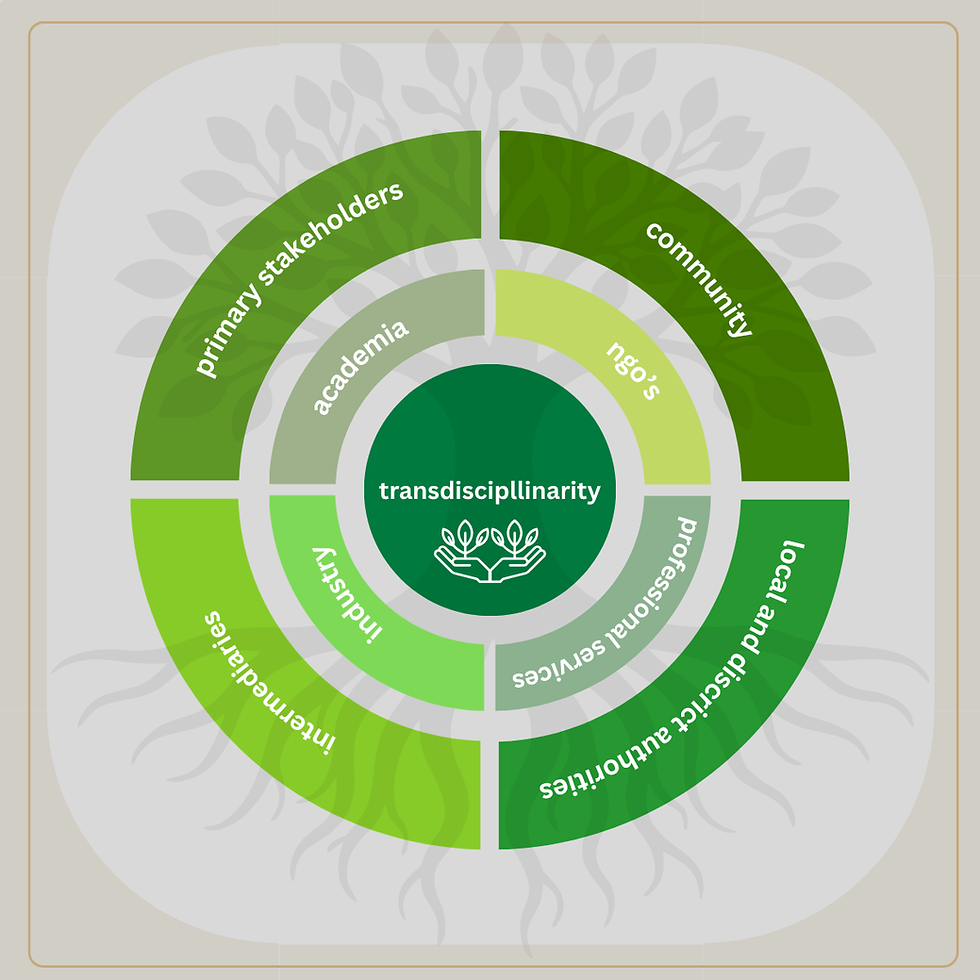
Collaboration has ensured the development of relationships between the researcher and the community, the development of proposed policies and guidelines, and the uptake of research outcomes at national, district, and local government levels. These localised governing structures were often regarded as the entry point for conducting research, as they granted permission, permits, and approvals. Stakeholders comprised of Ministerial Departments, Commissions (national, district and residential), government officials, assembly members (the mouthpiece and representatives of the people) or traditional authorities (such as chiefs, local leaders and tribal leaders). Tribal leaders and other local stakeholders can help communicate and disseminate research findings to support informed decision-making. These governing structures were also well-positioned to provide valuable insights – due to their expertise and resources – that enhanced the quality and relevance of the community-focused research projects.